The Clock Is Not a Prescription: A Measured Guide to Time-Restricted Eating

A schedule, not a treatment
Time-restricted eating (TRE) means limiting all energy intake to a defined window each day, such as 10am to 6pm or 9am to 7pm. It is a pattern of eating, not a guarantee of diet quality. It is also distinct from the broader label of intermittent fasting, which can include whole-day or alternate-day restrictions. The appeal of TRE is understandable: it offers a simple rule in a field where advice can feel endlessly complicated.
But simplicity is not the same as clinical proof. For UK readers considering TRE, the useful question is not whether it is fashionable, but whether it is safe, sustainable and likely to improve the health markers that matter. That requires looking honestly at the evidence and at the realities of British breakfasts, shift patterns, family meals and social occasions.
What the research does and does not show
Short-term trials have generally found modest weight loss with TRE, often comparable to daily calorie restriction when total energy intake is similar. Some studies report small improvements in fasting glucose, insulin sensitivity and blood pressure. These findings are biologically plausible. Eating later in the evening may misalign with circadian rhythms that influence glucose handling, and a shorter eating window can reduce late-night snacking.
However, the evidence base has limitations. Many trials are small, short and conducted in selected groups, often people with obesity. Adherence is frequently self-reported, control groups vary, and it is often difficult to separate the effect of timing from the effect of eating less overall. Systematic reviews suggest TRE may produce modest reductions in weight and fat mass, but it has not consistently outperformed other approaches. Evidence for hard cardiovascular outcomes, such as heart attacks and strokes, remains lacking.
The practical implication is important: TRE is a promising behavioural structure, not a proven standalone therapy. If the eating window is filled with low-fibre, ultra-processed foods, the clock alone will not protect metabolic health. Food quality, total intake, sleep, movement and medication all continue to matter.
Blood sugar and cardiometabolic risk
For type 2 diabetes prevention, the timing of eating is a reasonable area of interest. Late-night eating has been associated with poorer glucose control, and earlier eating windows may better match the body's circadian insulin sensitivity. Some people find that stopping eating earlier in the evening reduces reflux, improves sleep and makes morning glucose readings easier to interpret.
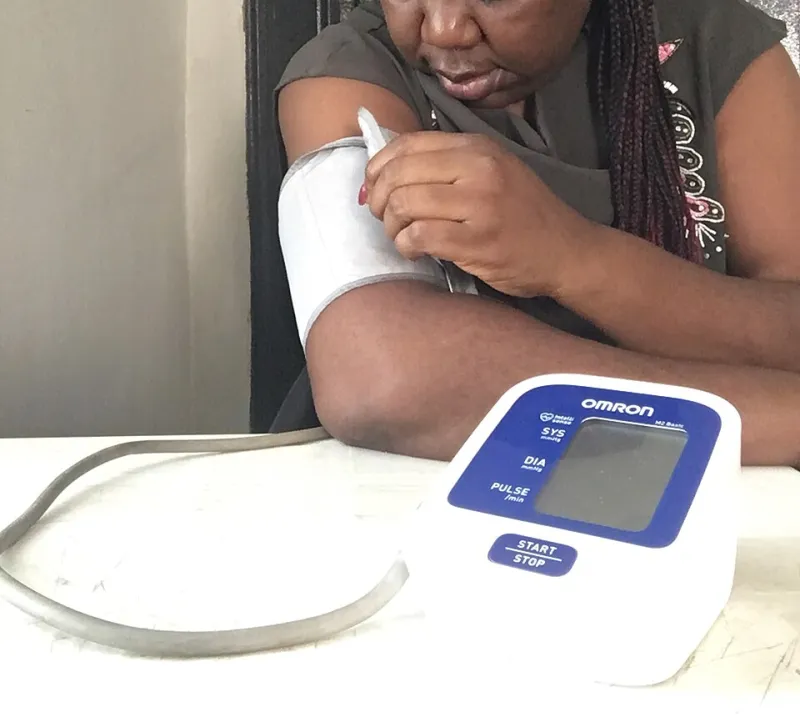
None of this means TRE should replace standard care. An NHS Health Check, an HbA1c review or a blood pressure check remains the appropriate route for assessing cardiometabolic risk. TRE should not be used to delay investigation of symptoms, and it should not be presented as a substitute for medication review or structured weight management support.
Who should be cautious
TRE is not suitable for everyone, and some people should not attempt it without clinical advice. This includes people who are pregnant or breastfeeding, people with a history of eating disorders or a disordered relationship with food, and people who are underweight or at risk of malnutrition, including some older adults and people with frailty. Adolescents and growing children have different nutritional needs.
Caution is also needed for people with type 1 diabetes, and for people with type 2 diabetes treated with insulin or sulfonylureas, because of the risk of hypoglycaemia. Anyone taking medication that must be taken with food, or who has a condition affected by meal timing, should speak to their GP, practice nurse or dietitian before changing their eating pattern.
A UK-friendly ladder, not a rigid 16:8 rule
Many people already fast overnight for around 12 hours without calling it anything. A sensible starting point is to protect that 12-hour overnight break: for example, finishing the evening meal by 8pm and eating breakfast at 8am. If that feels comfortable, a 14:10 pattern may be a reasonable next step. The popular 16:8 schedule is an option, not a requirement, and it is not inherently superior.
An earlier window often suits British routines better than a very late one. A 9am to 7pm window can still accommodate a family evening meal, while reducing grazing after dinner. A 10am to 6pm window may suit people who are not hungry early in the day, but it can be socially restrictive. The best window is the one that can be sustained without sacrificing food quality or family connection.
Breakfast culture deserves honest handling. Tea with milk or a milky coffee contains energy and will break a fast. Black tea, black coffee and water do not. For families, it is usually better to protect the shared evening meal and adjust breakfast or lunch rather than impose a rigid rule on the whole household. For shift workers, the clock is a poor guide; anchoring eating to sleep and avoiding heavy meals during the biological night is more sensible, ideally with occupational health or dietetic support. Social life matters too. A Sunday roast, a pub meal or a birthday cake should not be treated as a moral failure. Flexibility is part of adherence.
A simple decision framework
Before starting TRE, ask what you are trying to change. Is it weight, waist circumference, fasting glucose, blood pressure, sleep or late-night snacking? Is your current overnight fast already around 12 hours? Can you protect meal quality, including protein, fibre, vegetables and adequate hydration? Does your schedule genuinely allow a consistent window? Do you have any of the medical or nutritional risks described above?
Set a review point at four to six weeks. Monitor what is relevant: weight, waist, energy, sleep, and home blood pressure or glucose readings if your clinician has advised this. Stop and seek advice if you experience dizziness, irritability, poor sleep, binge urges, missed medication or worsening control of a chronic condition. Combine TRE with movement, adequate sleep and a fibre-rich diet rather than relying on timing alone.
The bottom line
Time-restricted eating can be a useful structure for some people, particularly when it reduces late-night eating and helps them eat less without counting every calorie. It is not a universal prescription, and 16:8 is not a magic number. The most defensible approach is a moderate overnight fast, a sustainable eating window, good food quality and medical safety. If you have a long-term condition or take medication, discuss the change with a clinician before making it part of your routine.