Thirty Minutes, Five Numbers: Getting Real Value From the NHS Health Check

Photo: Unknown authorUnknown author or not provided, Public domain, via Wikimedia Commons
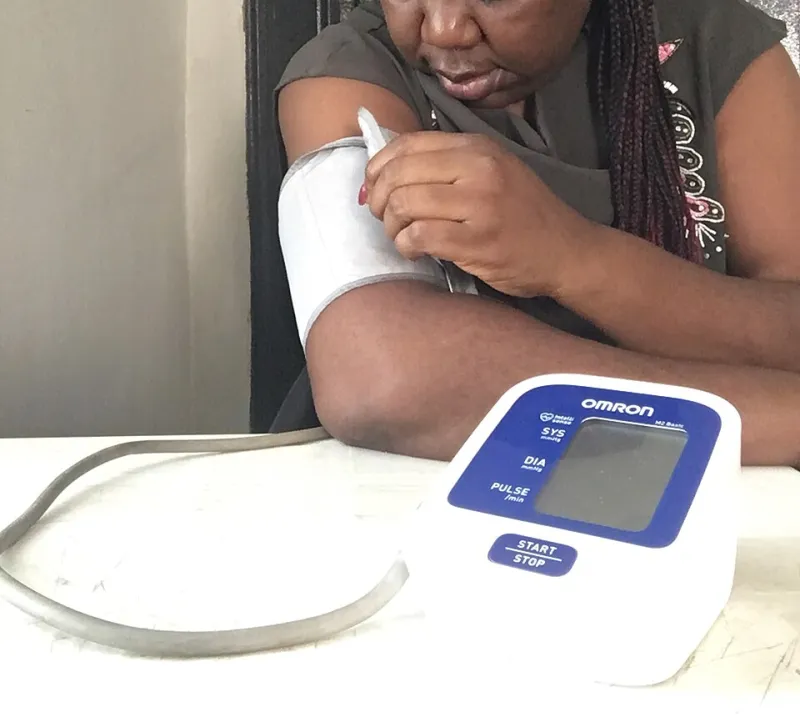
Few appointments in general practice pack as much into half an hour as the NHS Health Check. In that time a nurse or healthcare assistant will measure blood pressure, take blood, weigh and measure you, ask about smoking, alcohol and activity, and run your details through a risk calculator. You then leave with a set of figures that may shape the next five years of preventive care.
Yet the appointment is only as useful as the plan that follows it. A cholesterol value and a ten-year risk score are not, on their own, motivating. What changes behaviour is knowing which number matters most, what a realistic next step looks like, and who can help.
What the check is, and what it is not
At the time of writing, the NHS Health Check is offered free to adults in England aged between 40 and 74 who do not already have a diagnosis of cardiovascular disease, diabetes or kidney disease, roughly every five years. Invitations usually arrive from your GP practice or local authority, which commissions the programme. Scotland, Wales and Northern Ireland run their own arrangements through general practice, so the detail differs.
It is best understood as a structured cardiovascular and metabolic risk assessment rather than a general MOT. It does not screen for cancer and it does not replace an appointment about a symptom. Nor does a single normal result guarantee that nothing is amiss. What it does offer is a baseline: a set of measurements that can be compared over time and a formal estimate of future risk.
Before the appointment: a short preparation list
- Bring a list of your medicines, including anything bought over the counter and any supplements.
- Know your family history — heart attacks, strokes, diabetes and their approximate ages at diagnosis, particularly in parents and siblings.
- Wear a loose sleeve so blood pressure can be measured comfortably, and avoid caffeine, nicotine and vigorous exercise for 30 minutes beforehand.
- Arrive a few minutes early so you can sit quietly before the reading is taken.
- Jot down a typical week of alcohol, activity and sleep. Recall in the consultation is unreliable; a rough note is more accurate.
- You usually do not need to fast. Cholesterol and HbA1c can be measured without fasting, so eat and drink normally unless you have been told otherwise.
The measurements, translated
Blood pressure
A single clinic reading rarely diagnoses anything. If it is 140/90 or above, current guidance is to confirm with ambulatory monitoring over 24 hours or with a week of home readings before hypertension is diagnosed. A home average of 135/85 or above generally supports the diagnosis. Ask whether monitoring has been arranged, and how to do it properly.
Cholesterol
You will usually be given a total cholesterol, an HDL figure and a non-HDL figure, the last being the more informative of the standard measures. Values are interpreted alongside age, smoking status and blood pressure rather than in isolation, which is why a borderline cholesterol in an otherwise low-risk non-smoker means something quite different from the same figure in a smoker with high blood pressure.
HbA1c
This reflects average blood glucose over roughly the previous two to three months. A result of 42–47 mmol/mol falls in the range often called non-diabetic hyperglycaemia, and usually prompts an offer of the NHS Diabetes Prevention Programme. A result of 48 mmol/mol or above suggests diabetes in the range and requires confirmation with a repeat test.
Weight, BMI and waist
Body mass index is crude but useful for tracking change. Waist circumference adds information about where fat is stored: a measurement of 94cm or more in men, or 80cm or more in women, indicates increased risk, with higher thresholds marking substantially increased risk. Lower thresholds apply to people of South Asian and some other minority ethnic backgrounds, so ask which figure applies to you.
The risk score
Most checks include a ten-year cardiovascular risk estimate, such as QRISK3, and often a “heart age” to make it more concrete. Current NICE guidance suggests offering a statin where ten-year risk reaches 10 per cent or more, following a discussion about benefits and drawbacks. The score is a prompt for a conversation, not a verdict, and it should be recalculated if your smoking status or blood pressure changes.
What typically happens next
A well-run check ends with referrals rather than advice alone. Depending on results, that might include the NHS Diabetes Prevention Programme, a stop-smoking service, an NHS weight management programme, home blood pressure monitoring, or signposting to local walking and activity schemes. Ask explicitly which are available in your area, because provision varies considerably between local authorities.
Turning the numbers into three actions
Rather than overhauling everything at once, choose one change in each of three domains and review at three months.
Nutrition. If your non-HDL cholesterol is raised, the most evidence-supported dietary shifts are reducing saturated fat, increasing fibre towards 30g a day, and replacing some saturated fat with unsaturated oils, nuts and oily fish. If your HbA1c is in the prevention range, the NHS Diabetes Prevention Programme offers a structured, evidence-based course.
Movement. The UK physical activity guidelines recommend 150 minutes of moderate activity a week plus two strength sessions. If that feels remote, start with the Active 10 approach: a brisk ten-minute walk daily, built up gradually. Strength work matters especially from midlife onwards and can begin with bodyweight exercises at home.
Sleep. Aim for a consistent wake time, seven to nine hours in bed, and a caffeine cut-off in the early afternoon. Poor sleep is associated with raised blood pressure and impaired glucose regulation, and it is often the easiest domain in which to make a quick, visible difference.
Six questions worth asking
- What is my ten-year cardiovascular risk score, and what is driving it most?
- Was my blood pressure high enough to need home or ambulatory monitoring, and how do I arrange it?
- Do I need a repeat cholesterol or HbA1c test, and when?
- Which local services can I be referred to, and how long are the waits?
- Can I have my results in writing or through the NHS App so I can track them?
- What would you suggest I prioritise if I can only change one thing?
If your results come back normal
A normal check is genuinely reassuring, and it is still worth keeping. Record the figures somewhere you will find them, because the next comparison is only useful if this baseline exists. Blood pressure in particular is worth checking annually from the age of 40, since it can rise without symptoms.
The limits of a snapshot
No half-hour assessment captures a life. The check can produce anxiety in people whose risk is low and false reassurance in people whose risk is high but whose numbers happen to look acceptable. It also reaches people unevenly: uptake has historically been around half of those invited, with lower attendance in some of the groups at greatest risk.
Used well, though, it is one of the few moments in UK primary care when prevention is the entire agenda. Arrive prepared, ask what the numbers mean for you specifically, and leave with one nutrition action, one movement action and one sleep action written down. That is a more useful outcome than the printout itself.