Counting Units, Reading Cuffs: A Clearer Conversation About Alcohol and Blood Pressure
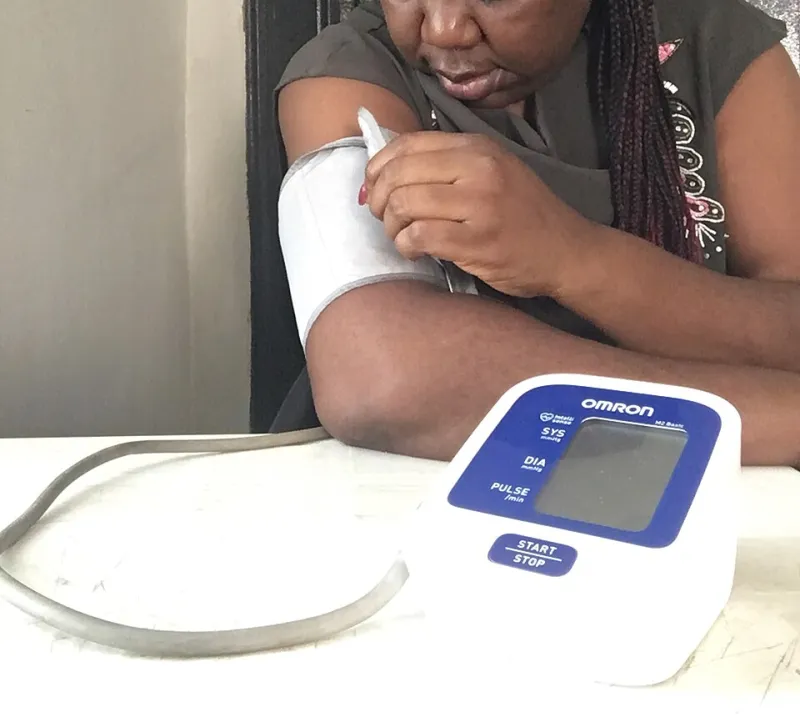
Photo: Beendy234, CC0, via Wikimedia Commons
In the UK, the Chief Medical Officers' low-risk drinking guideline is often remembered as a number: 14 units a week. It is a useful anchor, but it is not a blood-pressure target, a safe threshold, or a personalised prescription. For readers trying to understand how alcohol fits into cardiovascular risk, the more helpful question is not simply whether they are under 14 units, but how much they drink, how often, and what happens to their blood pressure when they reduce.
What the guideline does and does not say
The 14-unit guideline, introduced in 2016, advises that adults should not regularly drink more than 14 units a week and should spread those units over three or more days. It also states that there is no safe level of drinking. It does not say that 14 units is harmless for everyone, nor does it set a threshold below which alcohol has no effect on blood pressure. For a person with hypertension, sleep problems, liver disease, or a strong family history of cardiovascular disease, the relevant conversation may be different from the population-level message.
A unit is 10 ml of pure ethanol. Strengths vary, so a pint of 4% lager is roughly 2.3 units, while a 175 ml glass of 13% wine is also around 2.3 units. Six of either would take most people close to the weekly guideline. These are approximations, not labels, and the figures matter because a stronger craft beer or a generous home measure can quietly add units.
The dose-response evidence
Observational studies generally show a dose-response relationship between heavier drinking and higher blood pressure. The effect is most consistent at higher intakes, and it is confounded by diet, smoking, socioeconomic factors and patterns of drinking. Randomised trials of alcohol reduction provide stronger causal support: when heavy drinkers cut down, systolic and diastolic blood pressure tend to fall, with larger reductions in those drinking most heavily. For moderate drinkers the picture is less dramatic, but it is not a reason to assume that alcohol is neutral.
In clinical terms, alcohol reduction is an adjunct rather than a replacement for other measures. It sits alongside salt reduction, movement, weight management, sleep and prescribed medication. A modest fall in blood pressure across a population can reduce stroke and heart disease risk, but an individual should not expect a single behaviour change to solve a complex condition.
Measurement pitfalls
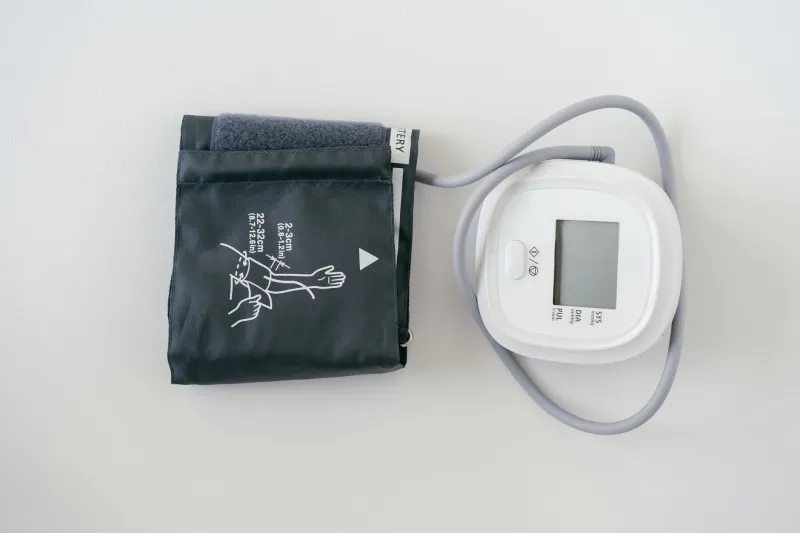
Home blood pressure monitoring can be helpful, but it is easy to measure badly. Use a validated upper-arm cuff with the correct cuff size. Sit for five minutes with your back supported, feet flat, arm resting at heart level. Avoid caffeine, smoking and exercise for 30 minutes beforehand. Take two readings, one minute apart, in the morning and evening for seven days, and discard the first day before averaging. Keep a note of any alcohol, poor sleep or illness.
Alcohol can affect readings in the short term, and withdrawal or rebound can distort them. Do not use a single high reading to draw conclusions, and do not adjust medication without advice. If home readings are consistently high, or if they are very high with symptoms such as chest pain, breathlessness or neurological symptoms, seek urgent help.
A practical reduction framework
Reduction works best when it is specific and kind. Start by tracking units for a week without judgement. Identify the drinks that contribute most units, not necessarily the ones that feel most indulgent. Alternate alcoholic drinks with alcohol-free beer, wine or spirits, or with sparkling water. Use smaller glasses and single measures. Try a spritzer or a lower-strength option. Build in two or three alcohol-free days and protect them.
Alcohol-free alternatives are not a moral test. Some contain small amounts of alcohol, usually under 0.5%, and some are high in sugar, so read labels if those factors matter to you. The aim is substitution rather than deprivation: a familiar ritual without the same ethanol load. If you drink to manage stress or sleep, address that separately rather than relying on willpower alone.
The primary-care conversation
A useful GP or nurse conversation is curious, not accusatory. It may include a simple units history, an AUDIT-C questionnaire, a review of blood pressure and medicines, and a check for dependence. Brief advice can be effective, and local alcohol services can offer more structured support. If someone is dependent, abrupt cessation can be dangerous because of withdrawal risk; that is a reason to seek medical advice, not a reason to delay it.
Seek help if you have tremor, sweating, seizures, morning drinking, repeated failed attempts to cut down, or symptoms of liver disease. Also seek advice if you are pregnant, take medicines that interact with alcohol, or have persistent blood pressure above 180/120. The 14-unit figure is a starting point for a conversation, not a verdict. Blood pressure is the better measure of whether the conversation is working.