The Numbers Between Visits: A Practical Guide to Home Blood Pressure Monitoring
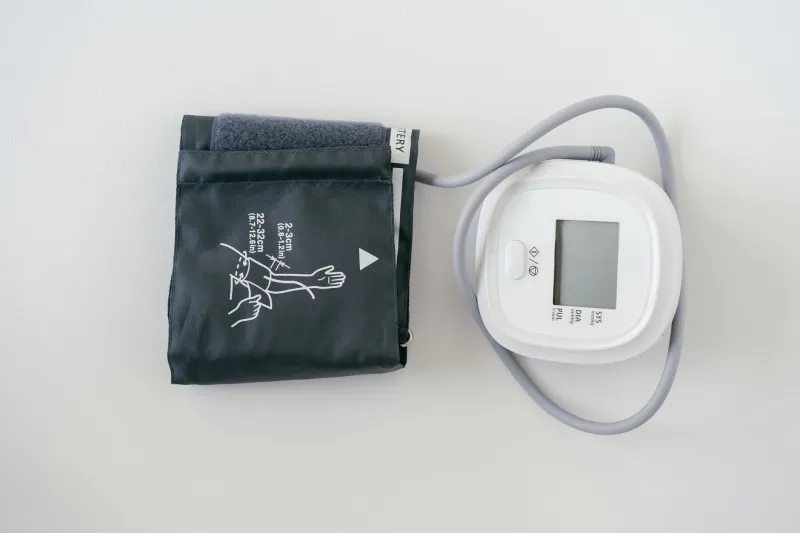
Home blood pressure monitors are now common in UK households, and used well they can give a GP or practice nurse valuable information that a single clinic reading cannot. Used poorly, they generate noise, anxiety and unnecessary appointments. The aim of this guide is not to diagnose hypertension or to replace clinical assessment, but to explain how to produce readings that are worth discussing.
Why readings outside the surgery matter
Clinic blood pressure is affected by the setting. Some people are anxious in a clinical environment and record high numbers there while their usual pressure is lower. This is white-coat hypertension. Others show normal or near-normal clinic readings but have raised pressure during ordinary daily life, known as masked hypertension. Both patterns matter, and both are more likely to be spotted when readings are taken away from the surgery.
UK guidance supports ambulatory or home monitoring to confirm a diagnosis of hypertension when clinic readings are raised. Home readings can also help monitor response to treatment and support shared decisions about medication. They are not a substitute for a clinical review, but they can make that review more informed.
Choosing a monitor that is fit for purpose
Use an upper-arm cuff rather than a wrist device unless a clinician has specifically advised otherwise. Upper-arm monitors are generally more reliable and easier to position correctly. Check that the model has been validated for accuracy; the British and Irish Hypertension Society and STRIDE BP publish lists of validated devices. A monitor that is not on a validated list may still be accurate, but there is less independent evidence.
Cuff size matters. Measure the circumference of your upper arm and choose a cuff that covers the stated range. A cuff that is too small can overestimate blood pressure; one that is too large can underestimate it. If you are unsure, take the monitor and cuff to your practice nurse for a check. Bring the device to an appointment occasionally so that it can be compared with the clinical machine.
The measurement routine
A useful reading depends more on technique than on technology. Empty your bladder first. Avoid caffeine, nicotine and vigorous exercise for at least 30 minutes before measuring. Sit quietly for five minutes before the first reading.
Sit with your back supported and both feet flat on the floor. Do not cross your legs. Rest your arm on a table so that the cuff is at roughly heart level. Place the cuff on bare skin, not over a sleeve, and position it so that the lower edge sits about 2–3 cm above the elbow crease. The cuff should feel snug but not tight. Do not talk during the measurement, and keep still.
A common UK home-monitoring schedule is two readings, one minute apart, in the morning and again in the evening, for seven days. Some clinicians ask for a shorter period. Discard the first day's readings if your practice advises it, then calculate an average of the remaining readings. Record the date, time, systolic and diastolic values, and note anything unusual, such as feeling unwell or having missed a dose of medication. A simple paper log or a spreadsheet is sufficient; some validated monitors store readings, but a written record helps you and your clinician see the pattern.
Interpreting the average, not the outlier
Home blood pressure thresholds differ from clinic thresholds. A home average of 135/85 mmHg or higher is generally regarded as raised, whereas the clinic threshold is usually 140/90 mmHg. These figures are a prompt for discussion, not a diagnosis made by the monitor. A single high reading can reflect stress, a full bladder, talking, a cold room or incorrect cuff placement. Look at the average and the pattern over several days.
If your home average is at or above the threshold, book a routine appointment with your GP or practice nurse. If your clinic readings are high but your home average is normal, mention this; it may indicate white-coat hypertension and may warrant further assessment. If your clinic readings are normal but your home readings are consistently raised, say so; masked hypertension is easy to miss.
When to seek advice sooner
Most high readings are not emergencies, but some need same-day attention. If a home reading is 180/120 mmHg or higher, contact your GP practice or NHS 111 if the practice is closed. If a very high reading is accompanied by chest pain, severe headache, breathlessness, weakness, confusion, slurred speech or changes in vision, call 999.
Seek advice if you have persistent readings above your usual range, if you feel dizzy or faint, or if you have symptoms that concern you. Do not change the dose of any blood pressure medicine without speaking to a clinician. Home monitoring is most useful when it informs a conversation, not when it becomes a source of repeated self-adjustment.
Making the readings count in consultation
Take your log, or a clear summary of your average, to appointments. Note the dates, the times and whether readings were taken before or after medication. Ask what target is appropriate for you, how often you should monitor, and whether any readings should be repeated. For some people, frequent monitoring is reassuring; for others, it can fuel anxiety. Agree a schedule rather than measuring many times a day.
Home blood pressure monitoring is a practical tool, but it is only as good as the method behind it. A validated upper-arm cuff, a calm five minutes, correct posture and a consistent schedule will produce numbers that are far more useful than a hurried reading taken through a sleeve while the kettle boils.