Pink in the Sink: A Clinician's Guide to Bleeding Gums and Metabolic Risk
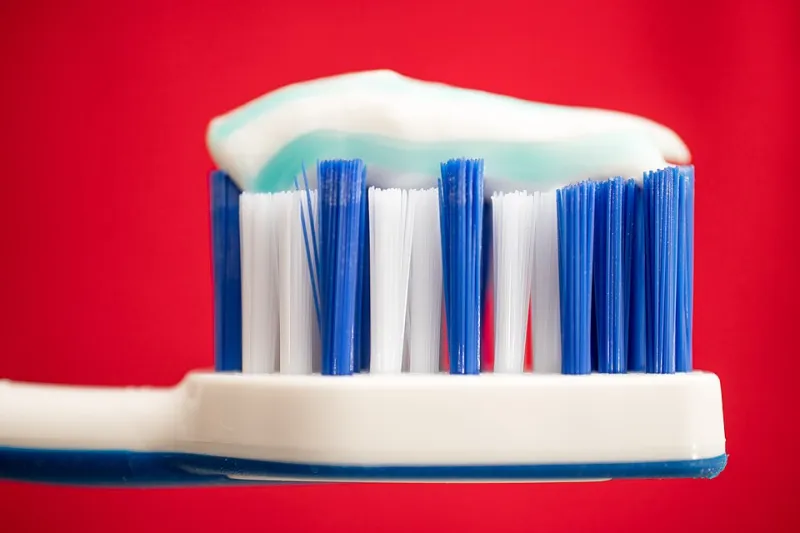
Photo: Ivan Radic, CC BY 2.0, via Wikimedia Commons
A trace of pink on the toothbrush is easy to dismiss. Many adults in the UK see it, rinse it away and carry on. Yet bleeding on brushing is one of the more reliable early signs of gingival inflammation, and in some people it sits alongside a cluster of metabolic risk factors that deserve attention. The aim here is not to turn a bathroom mirror into a diagnostic tool. It is to take a common symptom seriously, understand its plausible links with blood sugar and cardiovascular health, and set out a practical response that fits ordinary UK life.
Why gums bleed — and why it matters
Healthy gums do not bleed routinely when brushed. Bleeding usually reflects plaque-induced inflammation at the gum margin. If this is occasional and resolves with better cleaning, it may represent reversible gingivitis. If it persists, particularly with swelling, recession, bad breath or loosening teeth, it may reflect periodontitis: a chronic inflammatory condition of the tissues that support the teeth.
Periodontitis is not a minor cosmetic issue. It is common, often painless in its early stages, and tends to progress slowly. The important clinical point is that it is a persistent inflammatory state, not simply a local nuisance. That matters because low-grade inflammation is also woven into the biology of type 2 diabetes and atherosclerosis. The question is not whether gums and general health are connected — they clearly are — but how strong the connection is and what a person should do with that knowledge.
The two-way street with blood sugar
The relationship between periodontal disease and dysglycaemia is best described as bidirectional. Elevated blood glucose can impair immune function and healing, and it changes the oral environment in ways that favour inflammation. In turn, chronic periodontal inflammation may modestly worsen insulin resistance. This is why clinicians often speak of a loop rather than a one-way cause.
Observational studies consistently find that people with periodontitis are more likely to have type 2 diabetes, and that people with diabetes are more likely to have periodontitis. The more useful evidence comes from intervention reviews. Several systematic reviews and meta-analyses have suggested that periodontal treatment — scaling, root planing and improved oral hygiene — is associated with a modest improvement in glycaemic control in people with type 2 diabetes, often in the region of a 0.3 to 0.5 percentage point reduction in HbA1c. That is not a substitute for medication, diet and activity, but it is a meaningful adjunct.
The practical implication is not that every person with bleeding gums has diabetes. It is that unexplained or persistent periodontal inflammation can be a reasonable prompt to check the basics: blood pressure, waist circumference, family history and, where clinically indicated, an HbA1c test. In the UK, that conversation often begins with a GP or practice nurse rather than a dentist.
What the evidence can and cannot say about the heart
The cardiovascular story is more tentative. People with severe periodontitis have higher rates of cardiovascular events in large observational studies, and the association persists after adjustment for many conventional risk factors. However, residual confounding is difficult to eliminate. Smoking, socioeconomic circumstances, diet, physical activity, alcohol and access to healthcare all influence both oral and cardiovascular health.
What can be said with confidence is that periodontitis often clusters with other cardiometabolic risk factors. It is a marker of cumulative risk, not a proven independent cause of heart attacks. That distinction matters for clinical honesty. Patients should not be told that fixing their gums will prevent a stroke, but neither should a bleeding gum margin be ignored when it accompanies raised blood pressure, central adiposity or a strong family history.
A practical UK oral care routine
The core advice is unglamorous and well established. Brush twice daily for two minutes with a fluoride toothpaste containing 1,350 to 1,500 parts per million fluoride. Spit after brushing rather than rinsing with water, because rinsing washes away the protective fluoride. Clean between the teeth once daily with interdental brushes where the gaps allow, or floss where they do not. A dentist or hygienist can advise on size and technique.
Do not avoid brushing because the gums bleed. Bleeding is a sign of inflammation, not evidence that the brush is too hard. Gentle, thorough cleaning with a soft or medium brush is usually appropriate. Replace the brush or brush head every three months, or sooner if the bristles splay. Sugar frequency matters more than total sugar intake for dental decay, so reducing repeated sugary snacks and drinks between meals is useful for both teeth and metabolic health.
Smoking, stress and the things that quietly raise risk
Smoking is the single most important modifiable risk factor for periodontal disease. It also masks some of the visible signs, because nicotine reduces blood flow to the gums, so a smoker may have advanced disease with less bleeding than expected. Stopping smoking improves periodontal outcomes and is one of the most effective cardiometabolic interventions available. NHS Stop Smoking Services and licensed medications can help.
Stress, poor sleep and dry mouth — whether from medication, mouth breathing or age-related changes — can also affect oral health. So can alcohol, particularly frequent drinking. These are not reasons for self-blame. They are simply practical levers. A person who is already working on blood pressure or blood sugar may find that oral care fits naturally into the same weekly routine.
Access, appointments and the NHS dental reality
In 2026, NHS dental access remains uneven across the UK. Some people can register with an NHS dentist without difficulty; others face long waits or limited urgent appointments. This is a structural problem, not a personal failing. If routine access is difficult, it is still worth contacting NHS 111 or a local urgent dental helpline for pain, swelling, fever, bleeding that does not stop, or a facial swelling. These are not things to watch at home.
For those who can access routine care, a check-up is an opportunity to mention bleeding, bad breath, loose teeth or changes in fit of a denture. In England, NHS dental charges operate in bands, with exemptions for some groups; arrangements differ in Scotland, Wales and Northern Ireland. Practical advice about local access is available through NHS websites and Healthwatch.
When to speak to a dentist or GP
See a dentist if bleeding persists despite improved brushing and interdental cleaning, if gums are swollen or painful, if teeth feel loose, or if there is persistent bad breath. See a GP if bleeding gums accompany symptoms that could suggest undiagnosed diabetes: unusual thirst, frequent urination, unexplained weight loss, persistent fatigue, recurrent infections or blurred vision. A GP can also review blood pressure, cardiovascular risk and eligibility for an NHS Health Check.
The gum-body conversation is not a reason for alarm. It is a reason for ordinary clinical curiosity. A bleeding gum margin is a visible, accessible signal. Used sensibly, it can prompt better oral care, a check on blood sugar and blood pressure, and a smoking cessation conversation — small, evidence-based steps that fit the compass of everyday lifestyle medicine.