Half Your Height, Whole Context: Reading Waist-to-Height Ratio in UK Primary Care
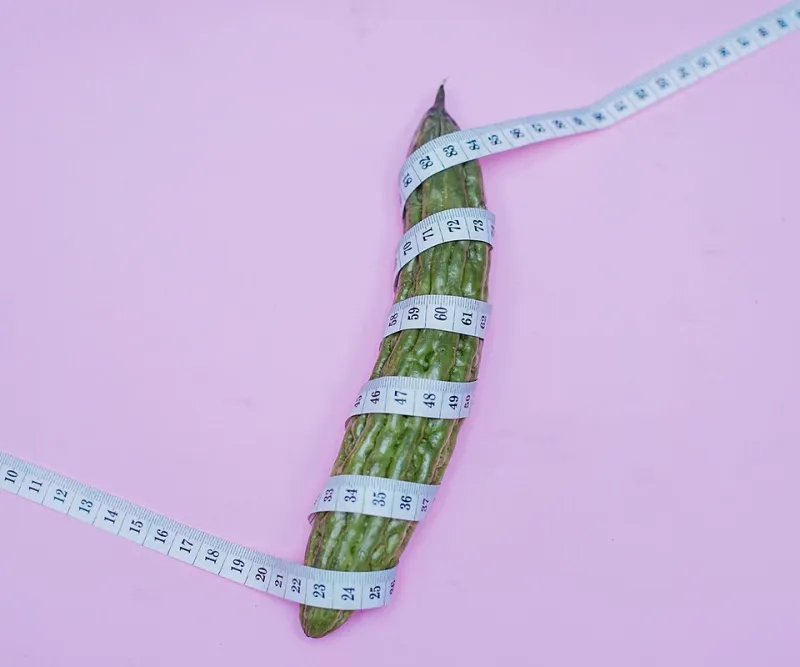
Photo: Dainis Graveris, CC BY 2.0, via Wikimedia Commons
Body mass index remains familiar in UK consultations, but it is a blunt instrument. It relates weight to height without showing where fat is distributed. Waist-to-height ratio offers a different view: it compares abdominal circumference with stature and can be calculated with a tape measure. It is not a diagnosis, and it should not replace clinical assessment, but it can add a useful layer of context for cardiometabolic risk.
Why a tape measure can add context
Excess fat around the abdomen is associated with a less favourable metabolic profile. BMI cannot distinguish between a muscular build, a broad frame and central adiposity. Waist circumference helps, which is why NHS Health Checks and NICE guidance already place it alongside BMI in cardiovascular risk assessment. Waist-to-height ratio takes a similar idea and makes it simpler to track: in general terms, keeping waist circumference to less than half of height is a reasonable population-level prompt.
This does not mean that everyone with a ratio above 0.5 is unwell, nor that a ratio below it guarantees good health. It means the measure is worth reading alongside blood pressure, lipids, glucose, smoking status, family history and physical activity. A GP may not mention waist-to-height ratio routinely because it is not a diagnostic test and consultation time is finite. That makes it a useful thing for patients to understand and raise calmly, rather than a number to fear.
Measuring at home: a repeatable method
Accuracy depends on technique. Measure height without shoes against a wall or stadiometer, standing tall with heels together and head level. For waist circumference, stand upright with feet together and arms relaxed. Use a flexible tape placed horizontally at the midpoint between the lowest rib and the top of the hip bone, often called the iliac crest. Measure directly against the skin or over a thin layer of clothing, exhale gently, and keep the tape snug without pulling it into the skin. Read to the nearest half centimetre and repeat twice, using the average.
Do not hold your breath or suck in the abdomen. Take the measurement at roughly the same time of day when tracking change, and record the method alongside the result. If you are pregnant, recently post-operative, or have a condition that causes abdominal swelling, interpret the number with a clinician rather than in isolation. For most adults, consistency matters more than chasing a single perfect reading.
Reading the ratio without alarm
Divide waist circumference by height in the same units. For example, a waist of 85 cm and a height of 170 cm gives a ratio of 0.5. Broadly, a ratio below 0.5 is associated with lower risk, 0.5 to 0.59 with increased risk, and 0.6 or above with higher risk. These are approximate bands, not diagnostic thresholds. A single reading is a snapshot; a trend over three to six months is often more informative than one afternoon's measurement.
Context still matters. Age, ethnicity, muscularity, body shape, recent weight change and fluid retention can all affect the reading. A high ratio should prompt a conversation, not panic. A low ratio should not be treated as proof of metabolic health if other risk factors are present. The aim is to use the number as a signal for assessment and sensible action, not as a verdict on character or lifestyle.
What it cannot tell you
Waist-to-height ratio does not distinguish visceral fat from subcutaneous fat, and it does not measure fitness, diet quality, sleep, blood pressure, blood glucose or cholesterol. It cannot detect every person at risk, and it can mislead in people with very muscular builds, significant height loss, frailty or pregnancy. Measurement error is possible, especially if the tape is angled or pulled too tight. Children and adolescents require age-appropriate assessment rather than adult thresholds.
The ratio is therefore an adjunct, not a replacement for BMI, waist circumference or formal risk tools. Its value lies in making central adiposity visible in a way that is easy to discuss and repeat. It is particularly useful for people whose BMI sits in an ambiguous range, or for those who want a simple marker to track alongside lifestyle changes.
A calm conversation with your GP or practice nurse
Bring your readings, the date and the method used. You might say that you have calculated your waist-to-height ratio at home and would like to understand whether it changes how your other measurements should be interpreted. Ask whether your waist circumference, blood pressure, lipids or HbA1c warrant review, and whether an NHS Health Check is appropriate. In England, NHS Health Checks are offered to adults aged 40 to 74 who meet eligibility criteria, but local arrangements vary.
A useful question is not whether the ratio is perfect, but whether it adds anything to the clinical picture. Your clinician can consider it alongside your history, medicines, family history and other results. If you have noticed a rapid increase in waist size, unexplained weight loss, or new abdominal symptoms, mention these separately; they need clinical assessment rather than lifestyle interpretation alone.
Practical next steps
Repeat the measurement in three months using the same method. Pair the number with small, sustainable changes: regular movement, adequate fibre, less alcohol, better sleep and reasonable portion awareness. These are the same foundations that support cardiometabolic health regardless of what the tape says. The waist-to-height ratio is most useful when it starts a measured conversation and tracks progress over time, not when it becomes another source of anxiety.