The Lie-In Illusion: Reading Weekend Sleep as Evidence, Not Cure
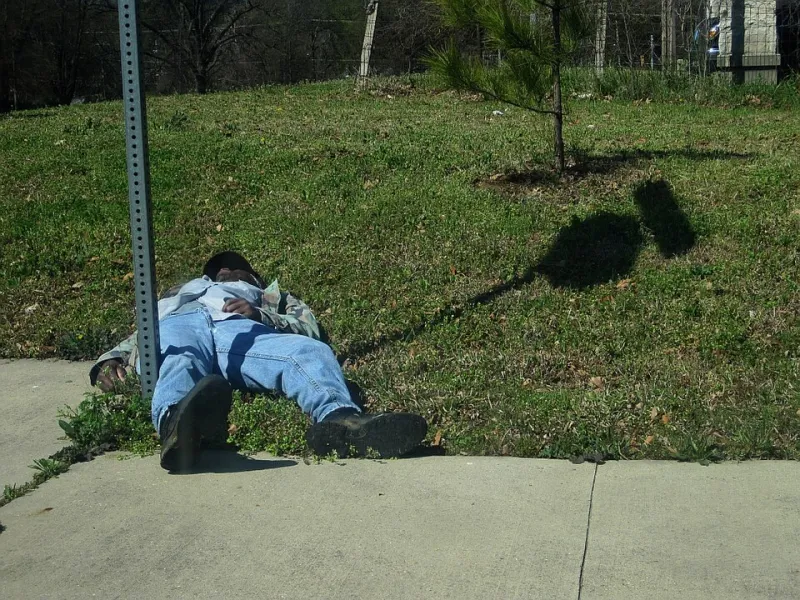
Photo: Thomas R Machnitzki (thomasmachnitzki.com), CC BY 3.0, via Wikimedia Commons
The Saturday lie-in occupies a comfortable place in British life. It is a small reward after five early alarms, a household ritual, and for many people the only stretch of the week when sleep feels genuinely voluntary. The question worth asking is not whether it feels good — it often does — but what it is actually repaying. Sleep is not a current account into which weekday shortfalls are deposited and from which weekend withdrawals can be made at will. Treating it as one can obscure problems that deserve attention.
What Sleep Debt Does and Does Not Describe
The term “sleep debt” is useful shorthand for accumulated sleep pressure. When nightly sleep is shortened, the homeostatic drive to sleep rises, and alertness, mood and reaction time tend to suffer. Some of that pressure can be reduced by longer sleep on subsequent nights. But the body does not keep a simple ledger. The effects of repeated short sleep are not identical to the effects of one long night, and the recovery is not guaranteed to be complete.
Much of what weekend sleep restores is short-term and symptomatic. Subjective sleepiness often improves. Mood may lift. Performance on simple tasks can return towards baseline. These are meaningful gains, particularly for people negotiating a demanding week. They are not, however, proof that the underlying pattern has been corrected.
What a Catch-Up Lie-In Can Reasonably Achieve
For an otherwise healthy adult with a single run of poor nights, an extra hour or so on a weekend morning is unlikely to cause harm. It may reduce sleepiness and restore a sense of steadiness. Short daytime naps — around twenty minutes, ideally early in the afternoon — can also take the edge off accumulated fatigue without leaving a person groggy or pushing bedtime too late.
There is also a reasonable case for flexibility after an exceptional week: a period of illness, a family emergency, a run of night shifts. In those circumstances, a longer sleep is a sensible response to an unusual load. The difficulty arises when the exceptional becomes the weekly norm.
What It Cannot Repay
The stronger claims made for weekend catch-up sleep are less secure. Observational studies have examined whether longer weekend sleep is associated with favourable metabolic or cardiovascular outcomes, and some have reported associations in particular groups. Such findings are interesting but should not be read as a prescription. Observational data cannot easily separate the effects of weekend sleep from the wider circumstances of people who sleep longer at weekends, nor can they establish that a lie-in repairs the physiology altered by chronic short sleep.
There is also a circadian cost. Sleeping much later at weekends shifts the body clock, a phenomenon sometimes called social jetlag. The result can be a Monday morning that feels like a small westward flight without the benefit of a holiday. For people who already struggle to fall asleep at a reasonable hour, a very late weekend wake time can make Sunday night harder and Monday worse.
A Practical Weekend Audit
Rather than asking whether you “caught up”, ask what the pattern is telling you. A brief audit is more informative than a sleep tracker's score.
- How much sleep do you usually get on weeknights, and how consistent is your wake time?
- How much longer do you sleep at weekends? A difference of more than about an hour to ninety minutes is worth noticing.
- Do you feel restored after the lie-in, or still tired by mid-morning?
- Are you relying on caffeine to get through the day, or falling asleep unintentionally in front of the television?
- Has a bed partner commented on snoring, pauses in breathing or restlessness?
The answers matter more than any single number. A weekend lie-in that leaves you refreshed and returns you to a steady weekday pattern is different from one that is the only sleep you find genuinely restorative.
When the Lie-In Is Masking Something Else
Persistent weekend catch-up sleep can be a marker rather than a remedy. If weekday sleep is short because of work or caring responsibilities, the solution is structural: negotiated hours, protected wind-down time, or a review of shift patterns. If sleep is short because you cannot fall asleep or stay asleep, the problem may be insomnia. In that case, spending longer in bed at weekends can worsen the pattern by weakening the association between bed and sleep.
Obstructive sleep apnoea is another possibility. Loud snoring, witnessed pauses in breathing, waking with a dry mouth or headache, nocturia, and daytime sleepiness despite adequate time in bed all warrant a conversation with a GP. So do persistent low mood, unexplained fatigue, or heavy periods and breathlessness, which may point to iron deficiency. These are not problems that a Saturday morning can solve.
Protecting Weekday Sleep Without Turning Rest Into a Target
The aim is not to optimise sleep to the point of anxiety. It is to make weekday sleep more reliable. A consistent wake time — including at weekends, within about an hour — is one of the most useful anchors for the body clock. Morning daylight, ideally outdoors, helps to stabilise timing. Caffeine has a long half-life for many people; an afternoon coffee can still be active at bedtime. Alcohol may shorten the time taken to fall asleep but tends to fragment the second half of the night.
A short, predictable wind-down is more effective than an elaborate routine. Dim the lights, stop work, and allow twenty to thirty minutes of something undemanding. If you use a tracker, treat it as a rough guide rather than a verdict; sleep-tracker-induced worry is a recognised clinical nuisance.
A Sensible Compromise
For most people, the practical answer is a modest one. Allow yourself a little extra sleep at weekends if it helps, but keep the wake time within roughly an hour of your weekday norm. If you are genuinely sleep-deprived, a short early-afternoon nap may be more useful than a long lie-in that shifts your clock. And if the same pattern repeats week after week — short weekdays, long weekends, persistent tiredness — treat it as information. The lie-in is not the solution; it is the evidence that something else needs attention.
Sleep is not a debt to be settled in one extravagant payment. It is a daily biological process, responsive to rhythm and consistency. The most useful weekend question is therefore not “how much can I repay?” but “what is my week telling me?”