Between Pot and Plate: A Measured Guide to Tea Timing and Iron Absorption
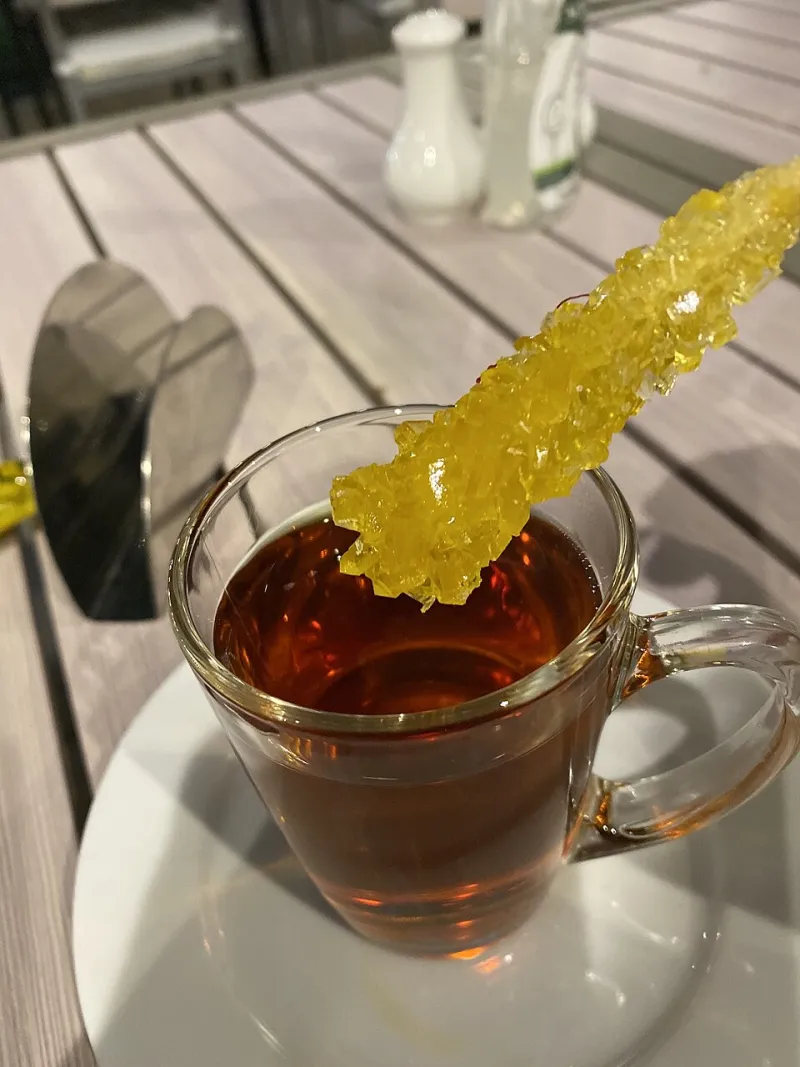
Photo: Slywire, CC BY-SA 4.0, via Wikimedia Commons
Tea is rarely just a drink in the UK. It marks the start of the day, fills the gap mid-morning, accompanies lunch and often appears again before the evening meal is cleared. That ordinary habit can sit alongside another ordinary concern: low iron stores, tiredness and anaemia are common reasons for a GP visit, particularly among menstruating women. The useful question is not whether tea is good or bad, but whether its timing around iron-rich meals deserves more attention than it usually receives.
Why tea can matter at the table
Iron in food comes in two broad forms. Haem iron is found in meat, poultry and fish and is generally well absorbed. Non-haem iron comes from plant foods such as lentils, beans, fortified cereals, wholemeal bread, spinach and tofu, and from eggs and dairy in smaller amounts. Non-haem iron is more sensitive to what else is eaten or drunk at the same meal.
Tea and coffee contain polyphenols, including tannins, which can bind to non-haem iron in the gut and reduce the amount absorbed from that meal. Coffee contains chlorogenic acid and related compounds, and tea contains a mixture of polyphenols. The effect is not a reason to ban the pot. It is a reason to notice when a very strong cup is taken directly with a meal that is meant to be a main source of iron.
The evidence is strongest for single-meal studies, which show reduced iron absorption when tea or coffee is consumed with food. Longer-term studies of overall iron status are more mixed, because the body adjusts and because diets contain many other influences. In practice, this means the finding is real but should be held in proportion. It is a lever, not a verdict.
Who may gain most from spacing drinks
Not everyone needs to reorganise their tea routine. A person with a varied diet, adequate iron stores and no symptoms is unlikely to need precise timing around every cup. The case for spacing is stronger in groups with higher iron demands or lower intakes.
Menstruating women, especially those with heavy periods, are a clear example. So are people following plant-based diets, where non-haem iron may supply most of the diet's iron. Older adults may have lower food intake, dental difficulties or medication-related changes in absorption. Regular blood donors and people with a diagnosed iron deficiency or low ferritin also have reason to be more deliberate. Pregnancy increases iron requirements, and anyone taking prescribed iron tablets should follow the advice given with their medicine rather than relying on general tips.
This is not a reason to self-diagnose anaemia from tiredness alone. Fatigue has many causes, and iron deficiency needs a blood test and a considered clinical review. The timing of tea is a supportive measure, not a substitute for investigation.
The evidence in proportion
A common mistake is to treat one laboratory finding as a complete dietary rule. A strong cup of tea with a meal may reduce absorption from that meal, but overall iron status depends on total intake, stores, blood loss, absorption capacity and other foods eaten across the day. Vitamin C, for example, can enhance non-haem iron absorption when eaten at the same meal, while calcium supplements and some medications can also interfere.
For most people, the sensible aim is not perfection. It is to avoid routinely pairing the strongest tea or coffee with the meal that is doing most of the iron work. If breakfast is a bowl of fortified cereal or beans on toast, a cup of builder's tea taken at the same time may not be the most efficient combination. If the same tea is taken an hour later, the meal has had a better chance to be absorbed.
A simple timing framework
A practical framework starts with identifying the main iron-containing meal of the day. For many UK households this is breakfast, lunch or an early evening meal. The aim is to create a modest gap between that meal and a strong tea or coffee.
For people who are not especially at risk, a relaxed approach is reasonable: enjoy tea with meals if that is the habit, but avoid making every iron-rich meal depend on a very strong brew. For those with low iron stores, a diagnosed deficiency or higher requirements, a gap of around an hour between the meal and the cup is a common-sense starting point. If iron tablets are prescribed, separate tea and coffee from the dose by at least an hour or two, and follow the instructions on the label or from the prescriber.
Timing swaps can be simple. Move the mid-morning cup to mid-morning rather than breakfast. Have water or a vitamin C-rich drink with an iron-containing meal, then tea afterwards. Keep the afternoon tea habit but pair it with a snack rather than the main meal. None of these changes requires a stopwatch, and none should make mealtimes feel like a clinical exercise.
What not to do
There is little value in removing tea altogether. Tea is hydrating, socially useful and enjoyable, and for many people it is part of the structure of the day. Nor is it helpful to take iron supplements without a clear reason or to assume that tiredness is always due to low iron. If anaemia is suspected, the right step is a conversation with a clinician and appropriate blood tests.
For readers who want a calm rule of thumb, this is enough: keep tea as a pleasure, notice the strongest cups, and give iron-rich meals a little breathing space when there is a reason to be careful. Between pot and plate, an hour can be a useful interval rather than a restriction.